Where fused silica performs — and the problems it prevents
Fused silica is bought for one reason: predictable behaviour at high temperature. Here is exactly which failure each grade prevents in your process, and the specification behind it.
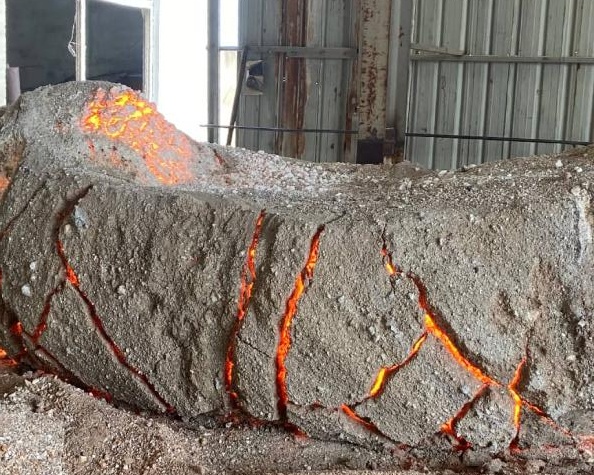
Refractories — more heat cycles, fewer shutdowns
The problem: refractory bricks, castables, ramming mixes and ceramic-welding materials fail by thermal-shock cracking. Each heat cycle expands and contracts the lining; if expansion is uneven, the lining spalls and the furnace comes down early.
The fix: fused silica's near-zero thermal expansion comes from its amorphous structure. With >99% amorphous content (Grade A, SGS) and cristobalite-rich material graded out by hand, your lining dilates predictably — surviving more cycles and cutting unplanned shutdowns.
- Grade A recommended for hot-face, thermal-shock-critical linings
- Grade B/C suitable where iron tolerance is higher (general castables)
- Forms: grains 4-10 / 10-20 / 20-50 mesh, 0-1 mm / 1-3 mm
Investment casting — cleaner dewaxing, fewer shell rejects
The problem: ceramic shells crack at dewaxing or resist removal at knockout. Two culprits: inconsistent thermal expansion inside the shell, and impurities — especially sodium — that accelerate the quartz-to-cristobalite transformation above ~900 °C.
The fix: high-amorphous, low-alkali fused silica keeps shell expansion uniform and dewaxing clean. Dust-free (classified) sand prevents dust from disturbing slurry and stucco quality. Shells are single-use and reclamation is nearly impossible once transformation starts — which is why shell rooms keep buying fresh material.
- High amorphous content (>99%) for uniform expansion
- Dust-free classified sand for slurry & stucco
- Flour 120/200/325 mesh for primary and backup coats
- COA documents Fe₂O₃ and alkali on every batch
Reference: reclamation studies conclude spent-shell material cannot be economically recovered — the binder phase devitrifies and sodium promotes transformation (Holt, 2021). Fresh, low-alkali, high-amorphous fused silica is a structural, recurring requirement.
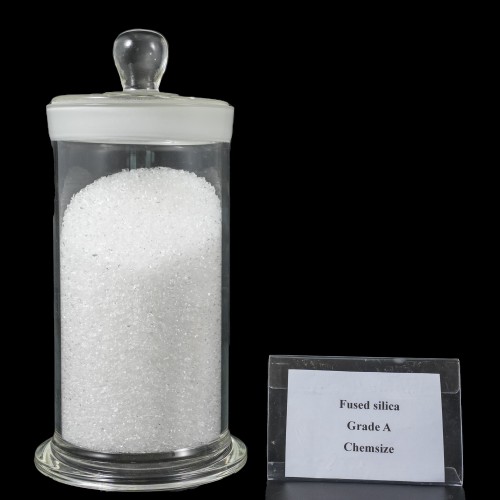
Technical ceramics — stable color, stable electrical properties
The problem: crucibles, rollers, tubes and precision ceramic parts fail by firing cracks, color drift or unstable dielectric behaviour. Iron and alkali impurities are the usual suspects — they shift color, lower resistivity and seed defects at firing temperature.
The fix: Grade A holds Fe₂O₃ <50 ppm, and powder is ground with iron-free alumina-ceramic media so no iron is added back during processing. What the COA says is what fires in your kiln.
- Fe₂O₃ <50 ppm — clean color, stable dielectric properties
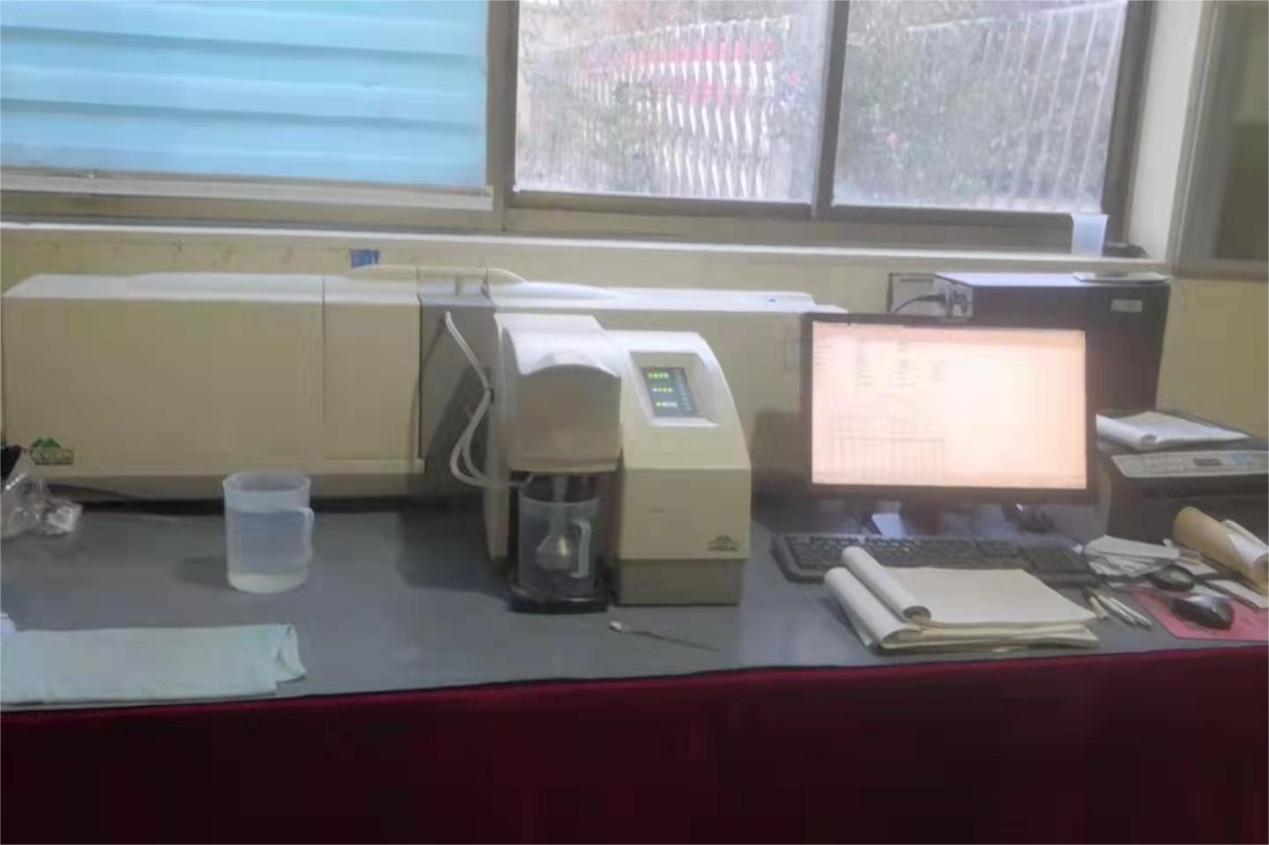
- Controlled PSD (D10 / D50 / D90 by Malvern) for consistent green-body density
- Forms: flour 120/200/325 mesh, custom cuts
EMC / CCL powders — where iron is the enemy
The problem: epoxy molding compounds and copper-clad laminates need a filler with stable electrical properties. Iron contamination in the filler translates directly into drift in dielectric and insulation performance — and rejected batches are expensive.
The fix: the same iron-free grinding line keeps Fe₂O₃ at the COA value, with controlled PSD for predictable filler loading and flow. HS code 6902.20.00 applies to spherical fused-silica micro-powder; sand and powder fall under 32074000.
- Iron-free grinding — alumina-ceramic media & linings
- Fine cuts: -200 mesh, -325 mesh and finer
- PSD verified by Malvern on every batch
Not sure which grade your application needs?
Tell us what you make and how it fails today. We'll recommend the grade and mesh — with the spec sheet to back it.
Talk to Us